
An Understanding Through The Shifting Consciousness In The Child, Its Variations And How One Can Look At It From The Perspective Of Yoga
Dr. Karthiyayini Amar Mahadevan
(Source | KYM Darśanam, March 2019, Vol. 2, No. 1)
Introduction
Waldorf education has spiritual scientific roots and comes from Austrian scientist and thinker, Rudolf Steiner. Being a Theosophist, Rudolf Steiner was heading the Theosophical Society in Germany. Later in his life, he founded Anthroposophy. According to Steiner’s philosophy, the human is a three-fold being of spirit, soul and body whose capacities unfold in three developmental stages on the path of life as early childhood, middle childhood and adolescence. His ideas, as seeds, were sown through extensive lectures, writings and private consultations. The seeds are now coming into flowers as numerous projects infused with human values. Steiner, a truly “Renaissance man,” developed a way of thinking that he applied to different aspects of what it means to be human.
In child development, if one sees not just physical growth and development but also the developing consciousness, it is a holistic way of understanding of the child.
In reality, what we receive at birth, is a model body that is with us for 7 years. Although in the very first year of life itself, it begins to die out and fall away, the process continues till the Change of Teeth.
A child’s development can be seen in seven-year cycles:
0 – 7 years | There is major growth and development of the physical body. With the Change of Teeth, the formative life forces engaged in growth and organ formation are partially freed. These released life forces are utilised for memory and recall. This is when the child is ready for formal learning.
What does the child learn in the first three years?
From birth to the first year is exponential growth in the physical, where the child’s birth weight is doubled at 6 months and tripled at 1 year. The child which is born, has purposeless mass movement in response to a stimulus. These are stereotypical patterns of movement which are called the primitive reflexes. These reflexes have to be abolished serially at every milestone to establish purposeful movement. This is when the child crosses over every milestone such as head control, turning over, sitting, standing and finally walks without support by 1 year.
So, the process starts from head to foot. Gazing and grasping culminate in walking.
A. The First Three Years
The child attains walking. After having established a different relationship between the limbs and the trunk, the child speaks around the second year. Having spoken, the child listens to the response in the surrounding and starts feeling that it is an independent being different from the other, and starts to say, “I want this,” around the third year.
So, in the first three years of the life of a child, being human is being established – Upright walking, talking and thinking. From then, it is a journey, revisiting these three years. Sometimes we get stuck and move in circles and there come some times when we move in spirals, each time revisiting with new learning.
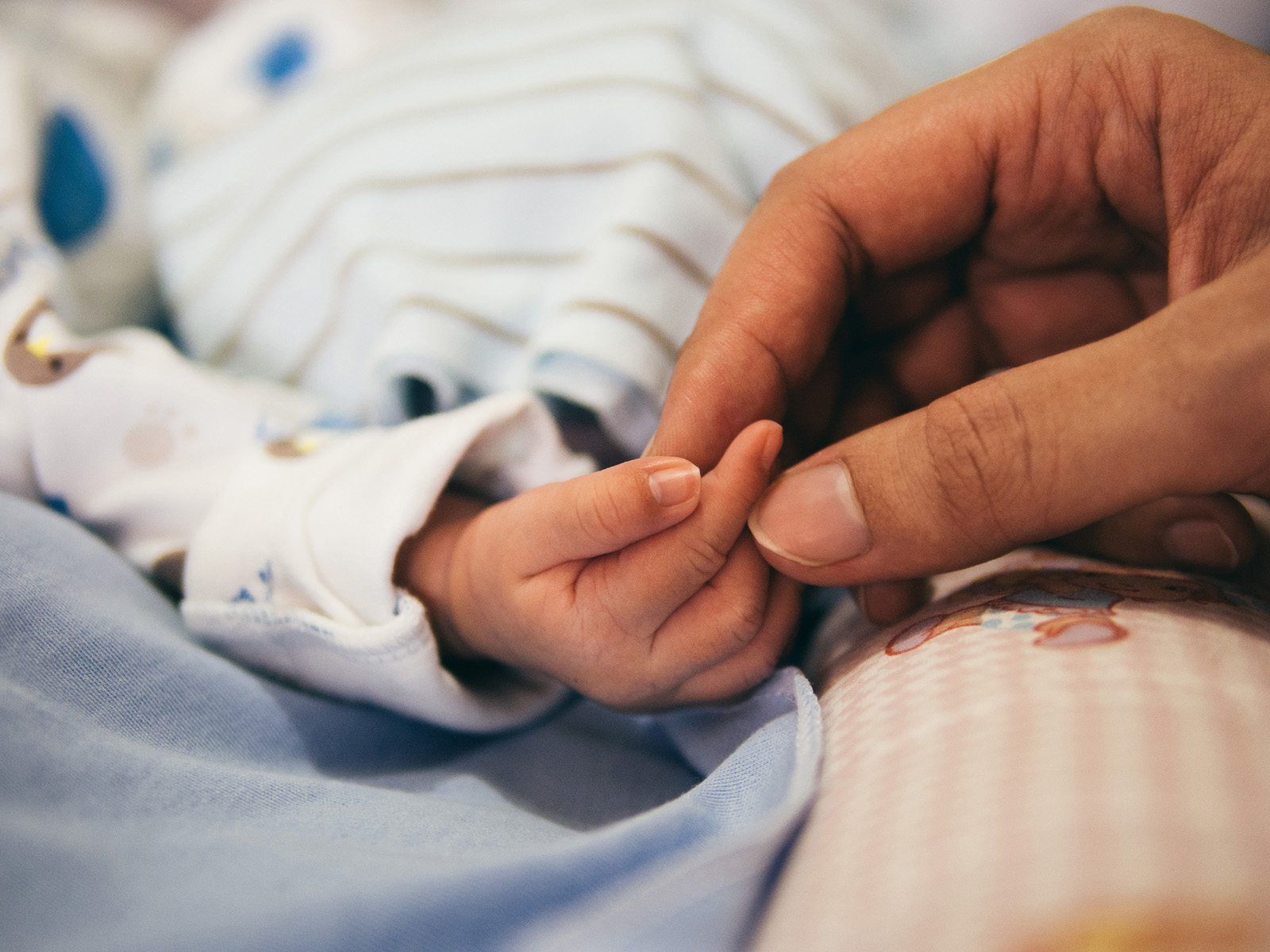
“Consciousness of a child till three years is Me and the world are the same.” One can see this in Kṛṣṇa’s childhood.
When Yaśodha asked him to open his mouth, he opened it to reveal his truth – me and the world are one, the world is within me.
From 3 – 7 years, the child learns through imitation.
Variations
Children who are born prematurely need to use their own life forces to overcome prematurity and catch up with growth. These children are delayed in their milestones. Also, there are some children who are born full term but still want to take a lot of time to catch up with these milestones.
How do we address these variations in the first 7 years of child development through Yoga?
Till 3 – 4 years | The child is an extension of the mother. So, when there is a difficulty expressed in child, the mother needs to be worked with. When there is a delay in the milestone, there is a need to hold the mother in a secure space by giving her assurance, listening to her fears and anxiety. Teaching mothers to do simple Yoga practices focussing on gentle arm movements and Aṅganyāsam with visualisation, reciting Mantra-s of their Iṣṭa Devata brings in more security. While the mother is held in a secured space, the child moves into the next milestone with the energy received from the mother. The diet and sleep of the mother need to be taken care of, for the child to come in to this secured space, where it takes the next step.
3 – 7 years | The child is getting to be independent of the mother to some extent in moving and reaching out by itself. This is the time they learn through imitation. Teaching Yoga to the child becomes easier if we create a conducive space for their imitation and we become worthy of imitation.
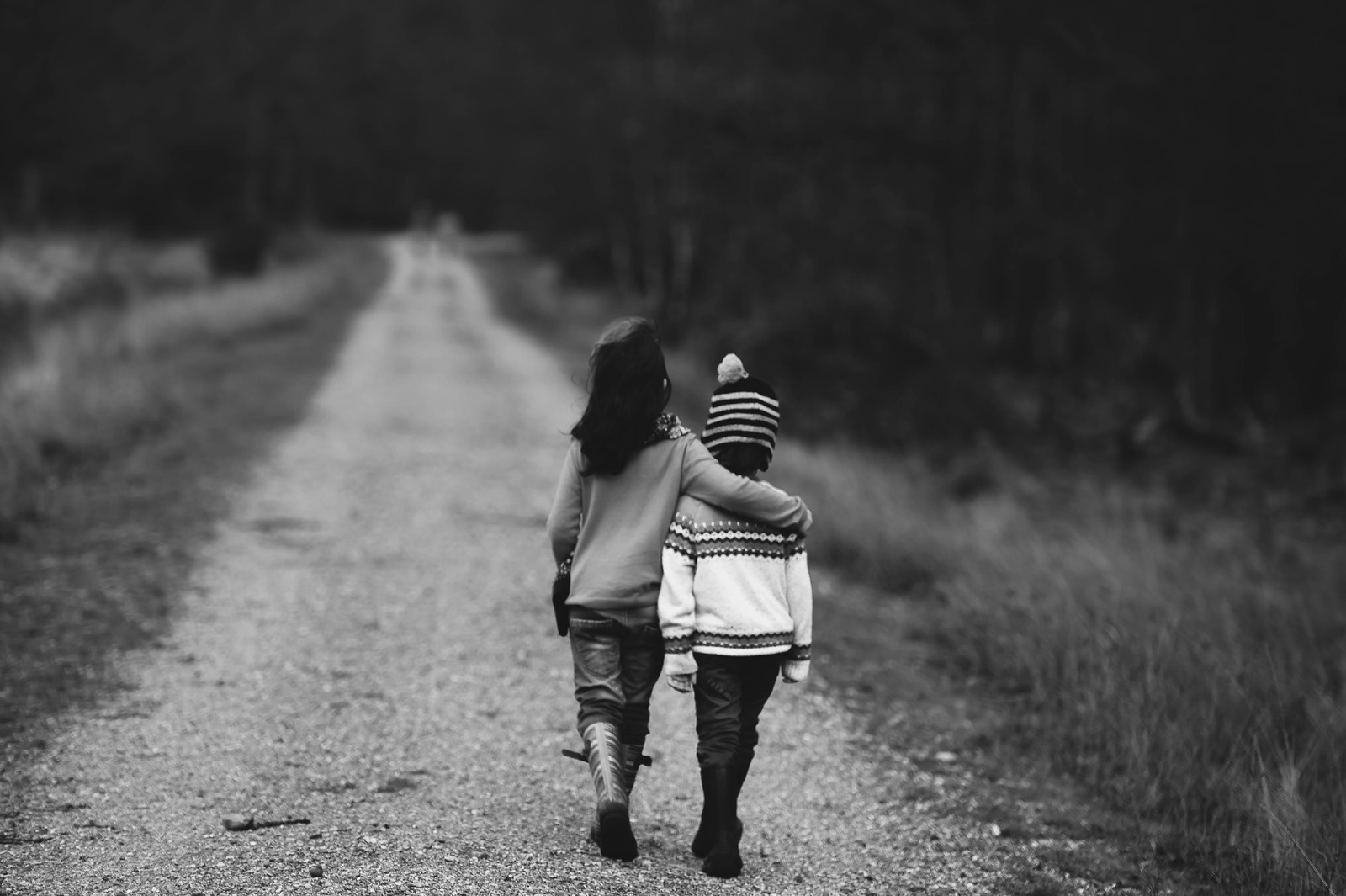
So, teaching Yoga to the mothers and making that as part of their daily routine is a way the child picks it up. Around 7/8 years, consciousness of the child is, “I am different from the World. I am the centre and the world in periphery.”
This is seen in Kṛṣṇa’s childhood where Kṛṣṇa plays around with the Gopika-s, where he is in the centre and they are in the periphery.
B. From Seven To Fourteen Years
The child is developing its emotional faculty through independent feeling. There is a shift in consciousness from wondering to questioning. There is a feeling of being neither here nor there. Shift in the hormonal axis wherein the Hypothalamo-Pituitary Gonadal Axis is triggered to meet the “Earth Maturity” in order to be here as a man or woman. Puberty, which is seen as a second fall from Paradise, needs to be handled with sensitivity. The growth forces are rekindled to meet the sexual maturity. This is a phase in which the child is confused about his/ her growing limbs and the trunk, with the face trying to catch up. Puberty is when the prefrontal cortex where the faculty of judgements, and decision making happens, is getting to be organised. It gets organised by 18-21 years.
The pineal gland is what helps the child to grow emotionally by taking in the ‘Sun’ rhythm called circadian rhythm. There is a rhythm which is maintained through good sleep and activity. When this rhythm is maintained, the neuroendocrine system works harmoniously to grow in a balanced way meeting life in each situation with the available environment. The pineal gland starts taking a back seat once the pituitary kickstarts, which happens around 11/12 years.
Around 10 years | Consciousness shifts from Centre to Periphery as a prelude to Earth Maturity. A conflict arises within as to, “Who am I and where do I belong?”
Kṛṣṇa triumphs over this inner conflict and comes to be in the centre, holding the periphery as seen in Kāliṅga Nartanam

Variations
These days, physical maturity happens too fast, and varied lifestyle puts the circadian rhythm out of place, which in turn, puts the pineal gland to sleep and the pituitary walks in much earlier than the emotional maturity. This brings in early sexual maturity, wherein the child finds it difficult to cope with the physical growth spurt and chances for him to lose his identity and keeps searching for, ‘Who am I?’
How To Address This Through Yoga?
By bringing Yoga practices from early years, the pineal gland is kept active for the stipulated time, and this early pubertal spurt is kept under check.
In children with precocious puberty, there is a need to check, why this child has jumped too early into the Earth Maturity. This could be for their life’s purpose to be achieved differently or they bring something of their inherited pattern!
Once puberty is set in early, the child needs to be given dynamic Yoga practices, avoiding static postures and weight bearing asymmetrical postures to avoid the damage to the early closing growing ends of bone. Diet and sleep are very important. There is a need to bring in more artistic activity through singing, painting etc.
In Yoga, more of dynamic postures, Sūryanamaskar with Sūrya Mantra and Vedic chanting can be very helpful.
In a child with special ability, a very important aspect is to treat the child “age appropriately” and not to give too much sympathy and curb their abilities.
C. From Fourteen Years To Twenty One Years
This is when child chooses its Loving Authority and prepares itself for meeting the world with its own independent thinking. Between 15-18 years, there is maturation of skeleton to adult level. Hormone changes and maturation of the intermediary metabolism happens. What needs to be seen, is the uprightness. A glance at gait and movement will suffice to establish whether they have uplifting and stimulating thoughts or whether mental emptiness makes them feel unmotivated or disinterested.
Around 18 years | Consciousness of the child is, “I can change the world.”
Kṛṣṇa wakes up to this consciousness and kills the fear within which is in the form of Kaṁsa, and changed his life.
Variations
As an earlier setback in the 7-14 years phase, if the child is not given freedom and held with boundary, then the child loses itself and keeps wandering in looking out for their self in the 7 years. If he fails to see his Loving Authority by 12-14 years, then there is a high chance to be stuck in this adolescent period forever.
How can Yoga help?
Samasthiti as reference is called for quite often between postures. Practices involving postures which are challenging are assigned and the teacher should be able to do that with ease. The teacher does the posture and brings about an awe in the child, by which the child looks at the teacher as his Loving Authority. This will help the child move through this phase with ease and he/ she will be able to be confident in taking individual decisions. “Walk the Talk” is a must to be a Loving Authority.
Vedic chanting with complex Jata and Ghana patterns will bring about self-confidence and clarity to help the child take an independent decision. Vedic chanting also helps to modulate the voice which has been lost during the pubertal phase and this helps in regaining his expressive voice.
A child with a special ability holds the Identity of either father/mother/grandparent/caretaker taken at this phase. By understanding that, the child is given certain independent tasks and this will help to identify his ability. According to his ability, Yoga in the form of dynamic postures are used. For example, Sūrya Namaskar with Sūrya Mantra on the ascent and descent will help.
How Should the Approach Be? | Rephrase Problem with Strength as a Solution
| Problems | Abilities |
|---|---|
| Compulsive, driven, motor deficits | Motor skills often highly developed – kinesthetic intelligence |
| Distractability | Wide ranging interest in the world |
| Short attention span | Panoramic vision, rapid perception and intense attention for this brief period of time |
| Poor listening ability, inadequate auditory perceptual processing and connection to the space behind | Visually dominated and forward oriented perceptual style |
| Impulsivity | Great flexibility, and receptivity to new things |
| Claim to leadership is often pronounced in relationship with peers and adults | Longing for authentic authority, personal leadership abilities not uncommon |
ADHD & Yoga
Dynamic Āsana-s with quick changes bring the focus through interest.
Dynamic postures and reciting a verse/rhyme in forward and backward flow (eg Sūrya Mantra with Sūrya Namaskar sequence).
Stay focused in one posture with eyes fixed at a particular object.
Count gradually and increase the numbers counted
- Diet plays a very important role
- Sleep rhythm need to be maintained
- No media and gadgets
Autism-Brilliantly Disabled?
In Autism Spectrum Disorder, one can see the effect of polarised one-sidedness in the form of giftedness (or) a handicap.
- Behaviour as their language of Communication – translate, not medicate
- What goes in as input – food, sleep and sensory environment, comes as out output – speech, movement and behaviour
Two Ways To Approach This
- Name the behaviour and direct therapy to minimise them for measured behaviours. Processing happens in the child’s inner life.
- Work hard to meet the inner life, help them express their inner essence.
- Children with Autism have Sensory Processing Disorder.
Yoga and Sensory Motor Integration
Understand their sensory issues, whether there are sense avoiders or sense seekers and design an optimum sensory diet and approach it through Yoga. For these children, every moment, the teacher has to be ready to change and be spontaneous and be in that moment.
- Niyama, Āhāra Pathyam as Caesin free gluten free diet
- Āsana – Dynamic and static with Mantra-s
- Prāṇāyāma – Bhrāmari
- Pratyāhāra – focus on a toy /tool
- Art and Craft – Many children use painting as a way to express.
Special abilities to address the society in:
- ADHD – Willing
- Down’s syndrome – Feeling
- Autism – Thinking
Children with special capabilities are broadly classified into:
A. Global developmental delay with Intellectual disability
- Brain anomaly
- Brain Injury
- Chromosomal disorder
B. Intellectual Disability
- Learning Disability
- Slow learners due to attention deficit, Sensory deficits
They have sometimes co existing conditions like:
- Seizures
- Hypothyroidism
- Metabolic disturbances
Few Conditions to elaborate upon:
- Trisomy -21
- ADHD
- Autism
- Cerebral Palsy
- Learning Difficulties
What do we see in these children with special abilities? What do they have in common?
They are happy by themselves. Even if they have difficulties in physical/mental, it does not affect them. It is for the people around to bring about a change.
I reflect upon this story always which my mentor shared with me:
God has created the human beings to see his expressions through them. The way science and technology progressed with the intellect, the human being went further away from being human. God as a creator was very concerned about this shift and wanted to bring back the human being. He tried to wake up the humanity through certain conditions in deviant health like Tuberculosis and Leprosy where there was initially no treatment. The only way these are addressed is through good nutrition, good environment and personal care of the wound. The human being did not stay there to understand the message but discovered the bacteria as Tubercle Bacilli and Lepra Bacilli and fixed them into a box to be kept in the sanatorium. God was very upset and wanted to give the message through children.There came these children with Trisomy 21, who are very compassionate and joyful. One can meet them not through the intellect, but through the heart. Humans did not stay with the message and went ahead to fix them up in the antenatal period itself. Then, God really was very upset and concerned that the message had to reach the human definitely. Here came a group of children, who reflected exactly what’’s happening in the society – no eye contact, no communication and no social interaction. They are labelled “Autistic” as they demand so much from the society to change by their strong one sidedness and perfection.
I feel this is not a story, this is reality. Like how illnesses wake us up to our inner self, these children are reflecting the human’s drift away from being human.
So I see these children as the trinity of Kaliyuga!
Trisomy – Extra Chromosome Called as Down’s Syndrome
Bundle of Joy
- They express the affectionate message – Be happy and loving
- Short stature – Meet me not at my intellect, rather feel me in your heart
- Flexibility, decreased muscle tone – Be flexible in your thinking and sensitive to accommodate the other
- Short sight – Look closely into oneself rather than looking at the other
- Slanting eyes – look with a new perspective
They are angels in human form to uplift our souls with Joy and Love
ADHD
Kṛṣṇa was not labelled as ADHD by Yaśodha. ADHD mostly is overrated. Three main clinical features are:
- Inattentiveness
- Impulsiveness
- Hyperactivity
Three Categories as Subtypes:
- ADHD – Combined-Most common
- ADHD – Predominantly Inattentive type
- ADHD – Predominantly Hyperactive –Impulsive Type
ADHD – a sign of talent
- Curative educator, Henning Kohler contrasts the problems and abilities of children who can become socially ADHD as a sign of talent
- Henning Kohler also contrasts the problems and abilities of children who can become socially conspicuous today due to hyperactivity, impulsivity (or) attention deficits.
A true way to address the present problems in the society is to bring back the humane touch in all what we do. Our children with special needs are messengers to remind us on this path. Education as ‘healing’ should be the way our society should head. A holistic way of education is the need of the hour.
Dr. Karthiyayini started her career as a general physician and worked in Naval family clinics focusing on women and child health for 15 years. She then served the Indian Navy for 5 years as Short Service Commission Officer and learned discipline as a way to address health. She also worked as a scholar in Diplomate in National Board Training in Paediatrics. She eventually went on to do her graduation in developmental neurology to work with children with special needs. The need for sensitisation to work for these children made her choose Yoga as a path for Inner Transformation. Dr. Karthiyayini has completed her teacher training with KYM and is also a faculty for Anatomy and Physiology at the Mandiram.
She is now in the process of studying Anthroposophic medicine which is a spiritual science – “study of human wisdom.” She presently works as a consultant in child Development in SPARRC Institute, Alwarpet and heads the wellness team of Colombia Pacific senior living community.